
Spa Bathtub Installation Checklist: Location, Power, Base & Setup
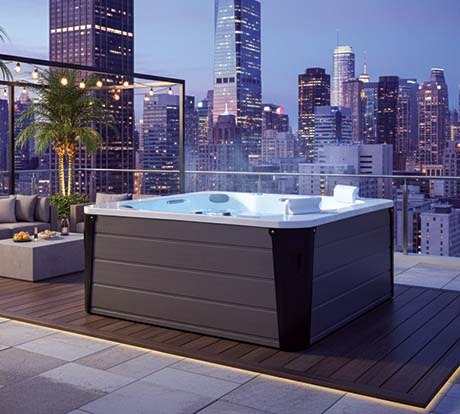
A spa tub looks simple on paper until the delivery team asks, “Where’s the power outlet?” A little prep saves time, money, and last-minute changes. This guide covers the checks that matter most: placement, base, electrical, delivery access, and day-one setup, so your first soak feels easy.
Things to Consider Before Installing a Spa Bathtub
Installing a spa tub is easiest when you plan for use, not just where it “fits.” Start by deciding whether it will be used daily or occasionally, and whether your priority is relaxation, recovery, or family comfort.
Once that is clear, the right placement, safe electrical planning, a solid base, and easy access for filling and maintenance become straightforward decisions instead of last-minute surprises.
Pick a spot you will actually use
The “best location” for your spa bathtub is not only about space. It is about how easily you will use it at night, in the rain, or when you are tired. Choose a place with a clean walking path, privacy, and a view you enjoy. Some pre-delivery guides even suggest thinking about seat positions and what you want to face while soaking.
If you are placing it indoors, plan for ventilation and humidity control so the room does not stay damp.
Get the Base Right
You need a solid, level foundation for installing your hot tub. Guides consistently stress that uneven support can damage the shell over time. A concrete pad is common, but reinforced decks and properly laid pavers can also work if they are built for the load.
Keep it simple: Level surface, stable edges, and drainage so rainwater does not pool around the unit.
Measure Access Before Delivery
Many installs fail at the gate, not the final spot. Measure your narrowest point: entrance, corridor turns, stairs, and elevator width, if applicable. Clear obstacles early because delivery teams need a wide, safe path.
Plan Electrical Early, and Do Not DIY it
This is where people get stuck. Jacuzzi explains the basic split: some models are plug-and-play, while many need hardwiring on a dedicated circuit. Your electrician should handle proper protection (RCCB/MCB), safe routing, and correct isolation. Keep controls and disconnects accessible but away from splashes, and follow local code.
If your building has power fluctuations, ask about protection for sensitive components.
Make Filling and Draining Convenient
You do not need special plumbing to fill most tubs, but you do need a plan. Where will the hose connect? Where will you drain during cleaning? If draining is messy, maintenance will get skipped. Choose a location with a nearby drain point and a surface that can handle occasional splashes.
In hard-water areas, consider filtration or softening so scale does not build up on jets.
Think Comfort and Safety, Not Only Features
A good setup feels safe to use every day. Add anti-slip flooring on the approach path, and plan a stable step if the tub height is high. Lighting matters too: soft, warm lighting helps night use without harsh glare.
Now choose features based on your real routine. Is it muscle recovery, stress relief, or family time? Pick seating and controls that match that use case, not the longest spec list.
This is also where product ecosystems help. Woven Gold’s bath-and-wellness catalogue is built around coordinated spaces, which can make it easier to keep the bathroom looking consistent rather than pieced together.
Keep the Wet Zone Easy to Live With
If the route to the tub involves wet grass, clutter, or a steep step, you will use it less. Consider a small deck or textured tile strip for grip and comfort. If privacy is an issue, a simple screen or planter wall can make evening sessions feel more relaxing.
Noise is another overlooked detail. Pumps and jets are not loud, but in quiet buildings they can carry. Place the tub away from bedroom walls where possible, and avoid mounting it on surfaces that vibrate.
Set Expectations for Pressure and Temperature
A rain-style “soft” feel depends on steady flow. If your water pressure drops at peak hours, ask your dealer whether your model needs a booster pump or a specific plumbing approach. Also, confirm your heater type and typical heat-up time, so you are not surprised on day one.
If you plan to use the tub in very hot months, remember that “best temperature” is personal. Many people find slightly lower temperatures feel more comfortable in summer, especially when followed by a cool shower.
Delivery Day Checks
Before the team leaves:
- Confirm it sits flat and stable.
- Check for visible damage.
- Power it on and test basic functions.
- Ask where the drain valve and service access are.
Fixing small issues is easier before everything is sealed in.
First Fill and First Week
Follow your manual or dealer’s steps for water balance and sanitiser. Clean water is less about “more chemicals” and more about correct levels. Start with shorter sessions during the first week while you learn what temperature feels best and which seats you like. Then set a simple cleaning rhythm so the tub stays inviting.
The Takeaway
A hot tub feels luxurious once it is part of your routine. Getting there is mostly planning: usable placement, a strong base, safe electrical, and easy maintenance. Do the basics well, and you will spend your time soaking, not troubleshooting.
If you are building a wellness-led bathroom, Woven Gold can be a useful reference point for designing a cohesive bath space that stays comfortable and easy to maintain over time, for you, every season.